
Best Time to Visit Rong May Glass Bridge: Weather Tips
Choosing the best time to visit Rong May Glass Bridge depends on the kind of experience you want. Some travelers hope to see clouds floating through the mountain valleys, while others prefer clear views of the surrounding landscape and better conditions for photography.
Located in the O Quy Ho Pass area of Lai Chau Province, near Sapa, Rong May Glass Bridge sits high above the surrounding mountain scenery. Weather conditions can change quickly at this elevation, so the best visiting time depends on the season, visibility and forecast on your travel date.
This guide explains the best season to visit Rong May Glass Bridge, the difference between early-morning cloud viewing and daytime mountain views, and what to check before traveling from Sapa.
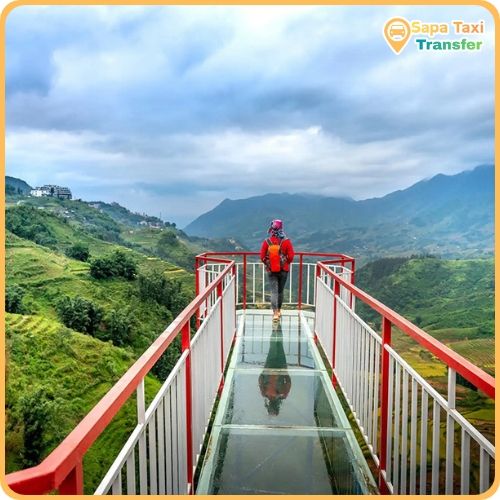
When Is the Best Time to Visit Rong May Glass Bridge?
September to April is a useful general period to consider when planning a visit, but no season guarantees perfect weather. Autumn may offer attractive mountain scenery, while winter can bring mist and clouds. Spring may provide comfortable sightseeing conditions when the weather is favorable.
The best time also depends on your main goal:
- For cloud viewing: Consider arriving early in the morning, around 7:00–9:00 AM, when conditions may favor clouds in the valleys.
- For clearer mountain views: Late morning through the afternoon, approximately 10:00 AM–4:00 PM, may provide better visibility if morning mist clears.
- For photography: Choose a time that matches the lighting and weather forecast, and allow flexibility if clouds cover the landscape.
- For a relaxed visit: Avoid planning your arrival too close to closing time, and confirm the current operating schedule before leaving Sapa.
These are planning guidelines, not guarantees. Mountain weather can change within a short period, so check the latest forecast and attraction information before setting out.
Best Season to Visit Rong May Glass Bridge
Autumn: September to November

Autumn is a popular period to consider when planning a trip to the mountains around Sapa and O Quy Ho Pass. On clear days, the surrounding ridges and valleys can provide attractive scenery for sightseeing and photography.
September and October may also appeal to travelers exploring the wider northwestern Vietnam region. However, rainfall, cloud cover and visibility vary, so a visit during autumn does not automatically mean you will see clear skies.
If mountain views are your priority, check the forecast shortly before your visit and remain flexible about your departure time.
Winter: December to February
Winter brings colder conditions to the high mountain area around O Quy Ho Pass. Mist and low clouds may create a dramatic atmosphere, especially when clouds gather around the valleys and mountain slopes.
However, fog can also hide the scenery completely. Cold temperatures, wind and unfavorable weather may make the visit less comfortable or affect access to some facilities.
Bring warm layers, check the weather before departing and confirm the attraction’s operating status. If your main goal is a panoramic view, consider keeping some flexibility in your itinerary in case visibility is poor.
Spring: March to April
Spring can be another option for visiting Rong May Glass Bridge. On favorable days, the mountain scenery may be visible and conditions may be comfortable for sightseeing.
Conditions are not the same every day, however. Fog, rain and low clouds can still occur, so use the local forecast to guide your plans rather than relying on the season alone.
May to August: Warmer and Wetter Months
The warmer months can bring rain, humidity, low clouds and reduced visibility to the mountain area. These conditions may limit distant views and make outdoor sightseeing less comfortable.
If your travel schedule falls between May and August, you can still plan a visit, but keep your itinerary flexible. Check the weather forecast and confirm whether the attraction and the facilities you want to use are operating as planned.
Do not assume that the site will close simply because it is raining, or that every activity will be available when the attraction is open. Confirm the actual conditions before traveling.
What Is the Best Time of Day to Visit Rong May Glass Bridge?

The best time of day depends on whether you want to see clouds, enjoy clearer views or take photographs.
Early Morning: Around 7:00–9:00 AM
Early morning is worth considering if you hope to see clouds gathered over the valleys. The cooler mountain air and soft natural light can also create attractive conditions for photography.
Arriving early may help you avoid some of the busier periods, depending on visitor numbers and the day’s operating arrangements.
There is an important limitation: clouds and fog are unpredictable. A misty morning can create a beautiful atmosphere, but dense fog may block the view. If you are traveling from Sapa, confirm the opening time and arrange your departure so you do not arrive before visitor access begins.
Late Morning: Around 10:00 AM–12:00 PM
Late morning may be a better choice if your priority is seeing the surrounding mountain landscape. As conditions change, some morning mist may lift and reveal more of the valleys and ridgelines.
This is not guaranteed. Cloud cover can persist or develop again, so check the forecast and avoid treating any time slot as a promise of clear views.
Afternoon: Around 12:00–4:00 PM
The afternoon may offer useful opportunities for sightseeing and photography when visibility is good. If morning clouds have cleared, the surrounding landscape may become easier to see.
This time can also suit travelers who prefer a later departure from Sapa. However, allow enough time for the mountain drive and your visit, and confirm the current closing time before setting off.
Late Afternoon
Late-afternoon light can be attractive for mountain photography, particularly on a clear day. However, do not plan your arrival too close to the attraction’s closing time.
Opening hours, last admission and individual activity schedules may change according to operating arrangements, weather or maintenance. Confirm the current schedule before making a late visit.
Best Time to See Clouds at Rong May Glass Bridge
Many travelers visit Rong May Glass Bridge hoping to see a sea of clouds below the mountain viewpoints. Early morning, particularly around 7:00–9:00 AM, is a reasonable time to try if cloud viewing is your main goal.
The result depends on moisture, temperature, wind and cloud formation. Some mornings may provide layers of clouds across the valleys, while others may be completely foggy or clear.
To improve your chances:
- Check the weather forecast for the O Quy Ho Pass area rather than relying only on the forecast for central Sapa.
- Consider an early visit if cloud viewing is your priority.
- Keep your schedule flexible in case conditions change.
- Bring a jacket because mountain temperatures and wind can differ from conditions in town.
- Protect your phone or camera from mist and moisture.
Remember that a sea of clouds is a natural phenomenon, not a scheduled attraction. No transport provider or travel guide can guarantee that it will appear on your chosen date.
Best Time to Visit for Clear Mountain Views and Photography
If your priority is seeing the surrounding landscape, late morning or afternoon may be worth considering, particularly when morning mist begins to lift.
The quality of photographs depends on visibility, lighting and weather conditions. Clear conditions can reveal distant mountain ridges and valleys, while clouds can create depth and atmosphere in your images.
For a better photography experience:
- Check the forecast before leaving your accommodation.
- Keep your phone or camera battery charged.
- Bring protection against rain and moisture.
- Follow the site’s rules for photography and visitor safety.
- Allow time to enjoy the scenery rather than rushing through the visit.
If the landscape is covered in fog when you arrive, wait only where permitted and follow staff instructions. Visibility may improve, but there is no guarantee.
How Weather Can Affect Your Visit
Weather is one of the most important factors when choosing the best time to visit Rong May Glass Bridge.
Clear skies: Usually provide better visibility across the surrounding mountains and valleys.
Low clouds and mist: May create dramatic scenery but can also hide distant views.
Rain: Can reduce visibility, make outdoor areas uncomfortable and affect some activities.
Strong winds or severe weather: May lead to temporary restrictions or suspension of certain facilities for safety reasons.
Even if the attraction is operating, individual activities may not all be available. Check the current arrangements before traveling, and follow instructions from staff on the day.
What Should You Wear When Visiting Rong May Glass Bridge?
Conditions in the mountains can feel cooler and windier than in central Sapa. Dressing in layers helps you adapt to changing temperatures during the journey and visit.
Consider bringing:
- A light or warm jacket suitable for the forecast.
- A waterproof outer layer when rain is possible.
- Comfortable shoes with good grip.
- A small bag to protect personal belongings.
- A phone or camera with enough battery for photographs.
You do not need to pack for extreme cold every time you visit, but checking the forecast before leaving is a sensible precaution.
How to Plan Your Journey from Sapa
Rong May Glass Bridge is located in the O Quy Ho Pass area of Lai Chau Province, outside central Sapa. The drive from central Sapa is commonly estimated at around 30–45 minutes, depending on your pickup point, route and road conditions.
If you want to visit early in the morning, arrange your departure time carefully. Allow extra time for winding mountain roads and changing weather.
For route information and a comparison of transport options, read our guide: How to Get to Rong May Glass Bridge from Sapa.
Is a Private Car a Convenient Option?
A private car may be convenient if you want direct pickup from your hotel or another agreed location in Sapa. You can discuss the departure time, waiting arrangements and return journey in advance.
This option may suit couples, families and small groups who prefer to travel together without sharing the vehicle with other passengers.
Explore our Sapa to Rong May Glass Bridge private transfer service to review the available arrangements.
Before booking, confirm the pickup point, vehicle type, total transport price, waiting time and whether the return journey is included. Entrance tickets and activity fees should be treated separately unless the service provider explicitly confirms otherwise.
Check Current Operating Status Before You Visit
Opening arrangements can change because of maintenance, safety requirements, weather or other operational decisions. A favorable forecast does not necessarily mean every facility will be available.
Before departing from Sapa:
- Confirm whether the attraction is open on your intended travel date.
- Check the current visitor schedule and last admission time.
- Ask whether the glass bridge, elevator and activities you want to use are operating.
- Check the weather forecast for the mountain area.
- Confirm your transport and return arrangements.
This is especially important if Rong May Glass Bridge is a key part of your itinerary or you have limited time in Sapa.
Frequently Asked Questions
What is the best month to visit Rong May Glass Bridge?
September to April is a useful general period to consider, but weather varies. Choose your date based on the forecast, visibility and current operating status rather than relying on the month alone.
What is the best time of day to visit Rong May Glass Bridge?
Early morning, around 7:00–9:00 AM, may be suitable for cloud viewing. Late morning through the afternoon may offer clearer views if the mist lifts. Conditions can change, so neither time guarantees a particular experience.
Can I see a sea of clouds at Rong May Glass Bridge?
It is possible when weather conditions are suitable, especially when clouds gather in the valleys below the mountain viewpoints. However, cloud formation is unpredictable, and fog can also obscure the scenery.
Is Rong May Glass Bridge worth visiting during the rainy season?
It depends on the weather and operating conditions on your chosen date. Rain and low clouds can reduce visibility, and some facilities or activities may be restricted. Check the latest information before traveling.
What should I wear to Rong May Glass Bridge?
Wear comfortable shoes and bring layers suitable for the mountain forecast. A waterproof jacket can be useful when rain or mist is expected.
How long should I allow for a visit?
The time required depends on the facilities you plan to use, queues and the conditions on the day. Allow enough time for the drive from Sapa, your visit and the return journey instead of scheduling everything too tightly.
Should I arrange transport from Sapa in advance?
Arranging transport in advance can help you coordinate an early departure and return journey. Confirm the pickup point, waiting time, vehicle type and total price before traveling.
Plan the Best Time for Your Rong May Glass Bridge Visit
The best time to visit Rong May Glass Bridge depends on the experience you want. Early morning may offer opportunities for cloud viewing, while late morning and afternoon may provide clearer mountain views when the mist lifts. Autumn and the cooler months are worth considering, but the weather can change quickly at any time of year.
Before leaving Sapa, check the forecast and confirm the attraction’s current operating status. If you prefer direct pickup and want to discuss your return arrangements in advance, explore our Sapa to Rong May Glass Bridge private transfer service.
For more travel information, read our Rong May Glass Bridge visitor guide and our guide on How to Get to Rong May Glass Bridge from Sapa.
